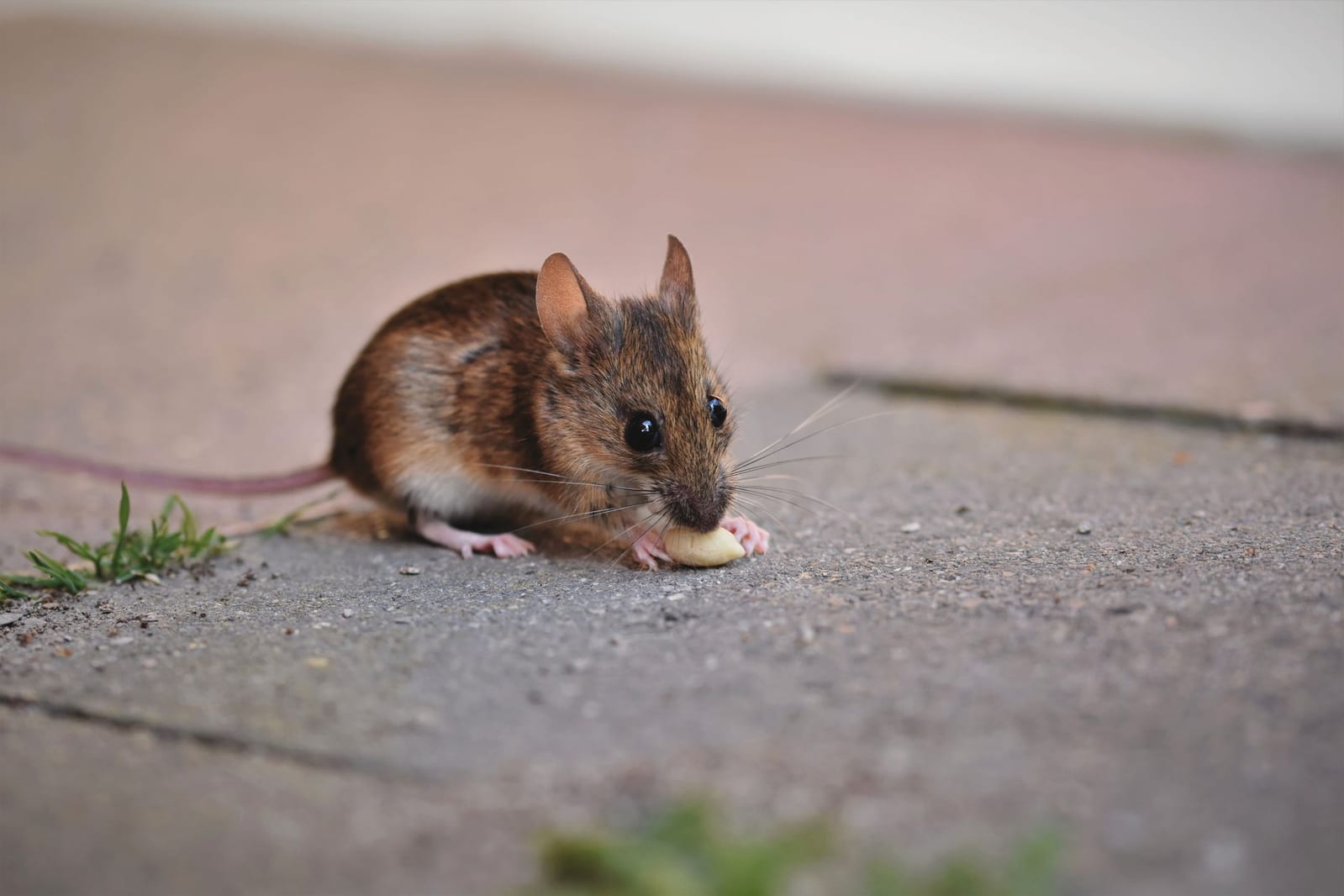
Rodent activity on the Upper East Side isn't a marker of how well-kept a building is on the surface. Shared trash rooms, compactor chutes, and basement service areas in high-rises and co-ops sustain rodent pressure independent of how nicely the lobby or the units themselves are maintained — a Norway rat or house mouse population can persist in a building's infrastructure even when every visible surface is spotless.
That means an effective inspection has to go past the unit that reported the problem. We check the building's shared service areas — trash rooms, compactor areas, basement utility spaces — because that's typically where an ongoing population is actually living, with individual units affected only when the pressure gets high enough to push activity upward through risers and wall voids.
Pre-war co-ops, newer high-rises, and townhouses each have different entry-point profiles, so we assess the specific building type before recommending an exclusion and treatment plan.
What actually keeps rats and mice out of a New York City apartment?
Sealing entry points is the foundation of rodent control: the CDC notes a mouse can fit through a hole the width of a pencil — about 1/4 inch or 6 millimeters across — so even gaps that look far too small for a rodent are enough to let mice in. Trapping or baiting without sealing these openings only treats the symptom. (CDC — Seal Up to Prevent Rodents)
In New York City, property owners are legally required to keep rats out of homes. The Health Department designates Rat Mitigation Zones — areas of high rat activity where City agencies concentrate resources — and lets residents report a rodent problem online through 311 to trigger an inspection. (NYC Health — Rats)
The US EPA's prevention guidance is to deny rodents food, water and shelter, then seal holes inside and outside the home to keep them out — something as simple as plugging small openings with steel wool or patching holes in interior and exterior walls. Removing nesting sites such as leaf piles and deep mulch removes the harborage rodents depend on. (US EPA — Identify and Prevent Rodent Infestations)
Mice and rats are recognized indoor asthma triggers, not just a nuisance: NYC Housing Preservation & Development lists mice and rats among the common allergens that can cause or worsen asthma, and under Local Law 55 of 2018 owners of buildings with three or more apartments must keep tenants' units free of pests and the conditions that attract them. (NYC HPD — Indoor Allergen Hazards (Mold and Pests))
Trapping vs baiting vs exclusion — what's the right rodent strategy?
| Snap trapping | Rodenticide baiting | Exclusion / sealing | |
|---|---|---|---|
| Where the rodent ends up | In the trap — easy to find and remove | Often inside walls or voids, out of sight | Kept outside before it ever enters |
| Secondary-poisoning risk to pets and wildlife | None | Possible if a poisoned rodent is eaten | None |
| Closes the entry point | No — new rodents can re-enter | No — new rodents can re-enter | Yes — pencil-width gaps sealed per CDC guidance |
| Best role | Knock down an active indoor population | Reduce numbers where trapping is impractical | Permanent prevention; pairs with any method |
How much does rat & mouse control cost in NYC?
$200–$1,200
One-time baiting: $200–$500. Exclusion (baiting + entry-point sealing): $400–$900. Ongoing monitoring: $100–$200/month. NYC per-treatment overall: $300–$1,200 (avg ~$475). National per-visit average: $345 (range $216–$495).
| One-time baiting | $200–$500 per treatment |
| Exclusion (baiting + sealing) | $400–$900 per treatment |
| Ongoing monitoring | $100–$200 per month |
Market range — not our quote
This is a market range synthesised from published cost guides — not a quote from this provider. The actual price depends on an in-person or photo-based inspection.
Angi's $345 average (range $216–$495) is the only tier-1, NYC-geo-targeted figure found and is notably lower than the tier-2 NYC blogs' $300–$1,200 claim. Both are shown — do not collapse into a single misleadingly precise number.
What drives the price
- Baiting-only vs full exclusion (sealing entry points)
- Number of visits needed for heavy infestation (3–5 visits can total $700–$1,500)
- Building type / density
- Ongoing monitoring plan vs one-off
Signs you have a rodent control problem
- Droppings in kitchen cabinets, along baseboards, or near a trash chute or service door
- Scratching in walls or ceilings at night, especially near shared risers
- Gnaw marks on packaging, wood trim, or door sweeps
- Grease marks along frequently travelled routes at floor level
- Activity reported in a shared trash room or basement service area
Why Upper East Side sees this
Shared trash and service areas in Upper East Side high-rises and co-ops sustain rodent pressure regardless of the building's overall upkeep — that's a feature of this housing stock, not a reflection on any individual unit.
NYC's Health Code obligation to control rodents and eliminate harborage conditions applies to building owners and managing agents, which is why cooperation from a co-op board or property manager often factors into fully resolving a building-wide issue.